For a fall garden cleanup, pull the spent plants and empty the pots first, then set the garden chemicals aside for your city's household chemical program. What is left, the cracked planters, rotted raised beds, old landscape timbers, edging and dead shrubs, can be carried out by a crew in one visit, loose, from wherever it sits.
October is when a lot of North Texas yards get redone. The summer annuals are finished, the tomato plants gave up in August, and the raised bed frame that looked fine in spring has gone soft at the corners. Once the new beds go in, the old material ends up stacked along the side fence. This post covers what to sort before any of it moves and what our crew takes away.
What to pull before the haul
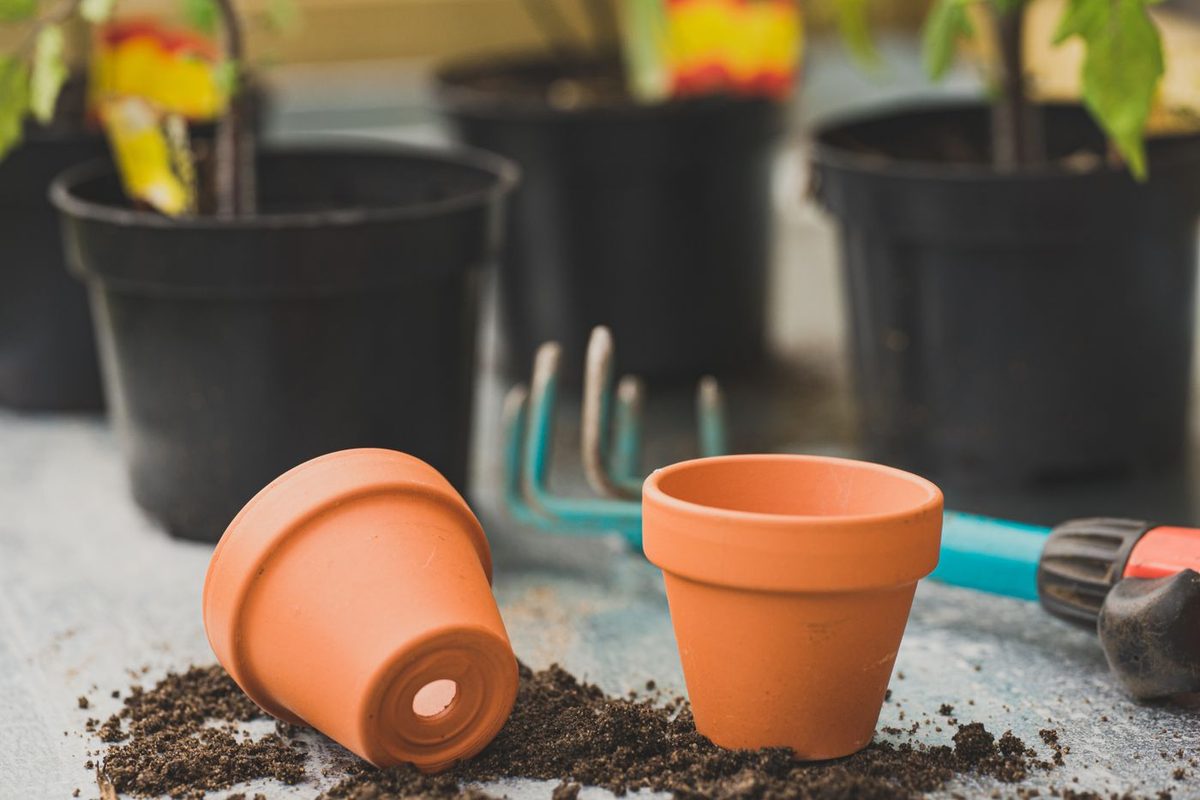
Start with anything alive or worth keeping. Divide the perennials you want to replant, pot up anything that is coming inside for winter, and mark the shrubs that stay with a strip of tape so nobody pulls the wrong one. Then empty the containers. Potting soil can go back into a bed or onto a compost pile, and the pots themselves are far easier to carry empty.
Spent plants, pulled annuals and leaves are the lightest part of the job and often the part you do not need us for. The EPA's guide to composting at home explains what works in a backyard pile, and leaves and plant trimmings are the easy start. If you are in Plano, the city's yard trimmings collection guidelines cover how to set them out for pickup. That is the free option, and you should use it if the schedule works for you. We would rather tell you the truth and lose the small job than take money you did not have to spend.
Where we come in is the rest of it: the heavy, awkward, mixed pile the city will not take in one go, or a yard that needs to be clear this week rather than on the next collection date. Our post on brush piles, tree limbs and what the city will not collect covers the branch side of that problem in more detail.
The garden shelf stays behind
Every garden has a shelf of half-used bags and bottles: weed killer, bug spray, fungicide, fertilizer with pesticide mixed in, a jug of something with the label worn off. None of it goes on our truck. Those products belong in your city's household chemical program, never in a load headed to the landfill and never down a storm drain.
Keep them in their original containers, closed, and somewhere kids and pets cannot reach until drop-off. The EPA's page on storing pesticides safely covers how to hold them until then. Allen residents can use the city's household chemical collection program, and most cities in the area run something similar. Our post on what is on the shed shelf goes through the same sort for the rest of the backyard, and our guide to what junk removal will and will not take has the full short list.
Look inside before it goes. Old planters and bed frames hide things. A spare house key under a pot, a hose nozzle buried in the mulch, a wasp nest under the lip of a big ceramic planter, or a fire ant mound that moved into a raised bed over the summer. Tip the big pots and check the corners of the beds before pickup day.
Raised beds, landscape timbers and edging
Raised bed frames are the part of a garden redo people underestimate. A cedar or pine frame that has held wet soil for a few seasons comes apart in pieces, and the soil inside it is heavier than it looks. Pull the soil out first if you want to keep it, and leave the boards in place or in a loose stack. The crew handles the frame from there.
Old landscape timbers are a separate question. Wood treated with chromated copper arsenate, or CCA, was used in residential structures before 2004, according to the EPA's page on chromated arsenicals. If your timbers are that old, do not cut them up and never burn them. Leave them whole and let them go out with the load. Our post on fence and deck teardown debris covers treated lumber in more detail.
Plastic and metal edging, landscape fabric, old weed barrier and the stakes that held it all down can go in the same pile. Pull the edging out in long runs rather than cutting it into short pieces, and roll up the fabric with the dirt shaken off. Dirt, rock, bagged soil, river stone and old pavers are heavy for their size, so mention them when you send the photo and the crew will plan for them.
Cracked pots, trellises and the rest of the bed
On a typical fall cleanup we carry off:
- cracked ceramic, clay and plastic planters of every size
- rotted or warped raised bed frames
- old landscape timbers, edging, landscape fabric and stakes
- dead shrubs and the root balls that came out with them
- broken trellises, tomato cages, plant stands and garden arches
- worn-out hoses, hose reels and old sprinkler parts
- bird baths, garden statues and stepping stones nobody wants back
Clay and ceramic pots break, so stack them inside each other where you can, largest at the bottom. A pot with a crack all the way through is easier to carry in a box or a bucket than in pieces. Garden furniture and the old grill tend to come out of the same season, and our post on the old grill and the patio set at the end of the season covers those.
Some of these jobs come from yards where the original landscaping is twenty or thirty years old and is finally being replaced. That is common in parts of Allen, where we clear out landscaping that went in with the original build. Near the lake, we load old beds and edging from yards in The Colony where the side yards are tighter. And in the older streets of Wylie, the job is often a whole backyard that has not been touched in years.
What happens to the load
Yard trimmings are a big share of what American households throw out. The EPA's yard trimmings data estimates 35.4 million tons were generated in 2018, and about 63 percent was composted or mulched, which is a good argument for the backyard compost pile before anything else. On our side, metal pieces like old cages, arches and hose reels go to a recycler, and usable garden furniture goes to local donation partners. Our post on where your junk goes after pickup explains the rest. Our stated goal is to keep more than half of every load out of the landfill.
How the pickup runs
Send us a photo of the pile and tell us where it sits: the side yard, behind the shed, along the alley or still in the beds. Mention a locked gate, a narrow side yard or anything heavy, like rock or pavers. A crew looks at what you have and gives you a firm number before anything is loaded. The quote is the bill, and disposal is included. We are affordable and priced fair, based on how much there is to take.
You point, we carry, we sweep. These are our own crews, not gig labor. Nothing needs to be bagged or bundled first, and the crew carries loose material out from wherever it sits. If an HOA letter is what started the cleanup, our post on HOA violation yard cleanups covers the deadline side. Call before noon and same afternoon is typical across the northern suburbs. When the plants are pulled and the chemicals are set aside, tell us what needs to go, or see how our yard debris removal works.
Frequently asked questions
Do I need to bag the plants and leaves before you come?
No. The crew loads loose material from wherever it sits. If you only have leaves and trimmings and can wait, your city's yard waste collection is the free option.
Will you take old landscape timbers?
Yes. Leave them whole. Do not cut or burn old treated timbers. The crew carries them out with the rest of the load.
Do you take weed killer and fertilizer?
No. Garden chemicals go to your city's household chemical collection program. Keep them closed in their original containers until drop-off.
Can you take dirt, rock and old pavers?
Mention them when you send the photo. They are heavy for their size, so the crew plans for them before pickup day.
Do you take cracked clay and ceramic pots?
Yes. Stack them inside each other where you can, and put broken pieces in a box or bucket so they carry safely.
If the new beds are going in next weekend or next spring, the old material can sit until then. There is no rush on our end.