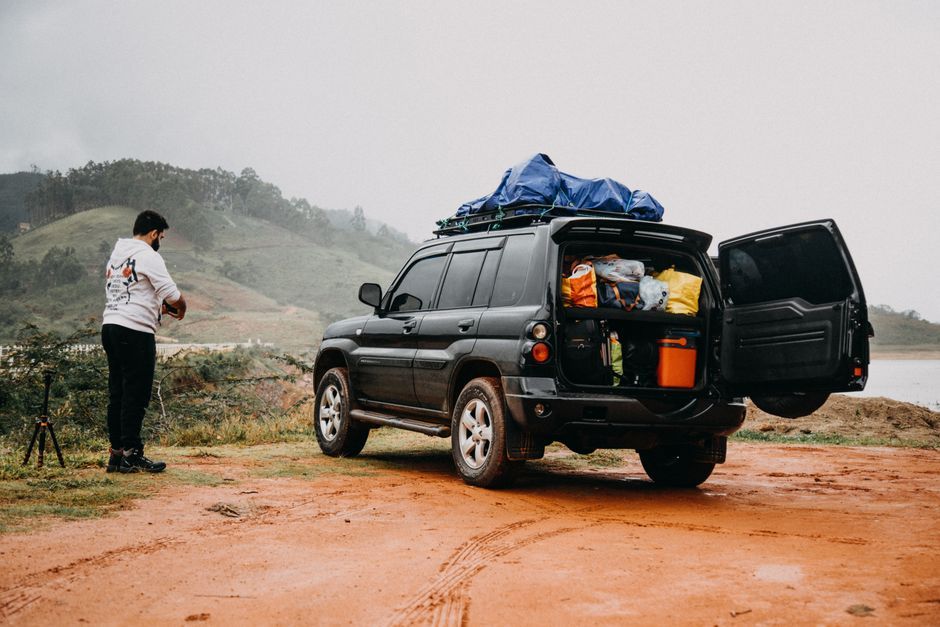
Yes, we haul old camping gear, coolers and luggage: tents, sleeping bags, camp chairs, cots, air mattresses, lanterns, suitcases and duffels. Pull out the camp fuel, propane cylinders and loose batteries first, because those go to your city's household chemical program, and our crew carries out everything else in one visit.
Trip gear piles up in a particular way. It gets used for a weekend, packed away damp or in a hurry, and pushed to the back of the garage, the attic or the hall closet until the next trip. For a lot of families the next trip never comes, or the kids grow out of it, and the pile stays. By the time someone decides to deal with it, the tent smells, the cooler has a crack, and the suitcases are three generations of luggage stacked inside each other.
What we take from the trip pile
All of it, as long as it is not fuel or a chemical. The pieces we carry out most often are:
- Tents and canopies, including the pop-up shade canopy from the ball field and the big family tent with the bent pole
- Sleeping bags, pads and air mattresses, plus the folding cots that went with them
- Camp chairs, folding tables and camp kitchens
- Coolers of every kind, from the hard rolling cooler to the foam one from the gas station
- Lanterns, camp stoves and grills, once the fuel and batteries are out
- Suitcases, duffels and garment bags, including the hard-shell set with the broken wheel
- Backpacks, tackle boxes and fishing gear, and the life jackets from the lake trips
If the pile also has bikes, kayaks, golf clubs or a basketball hoop in it, our guide to bikes, kayaks and sports gear covers that side. The camping pile and the sports pile usually live in the same corner, and they usually leave together.
What to pull out before pickup
Three things need a different route, and they are worth finding before the crew arrives.
Camp fuel and propane cylinders. The small green propane bottles for a camp stove or lantern, the can of white gas, the lighter fluid and the kerosene. We do not haul fuel or pressurized cylinders. Your city takes them. Allen's household chemical collection program lists small propane tanks, lighter fluid and kerosene among the items it accepts, and most cities around here run a program like it.
Batteries. Lanterns, headlamps and camp radios usually still have batteries inside. The EPA's guide to used household batteries recommends sending even ordinary alkaline batteries to a battery recycler or checking with your local solid waste authority. Rechargeable lanterns and power banks are a stricter case: the EPA says lithium-ion batteries and devices containing them should not go in household garbage or recycling bins.
Anything you want to keep. Check the suitcase pockets and the zippered pouches in the tent bag. Passports, old photos, cash and keys turn up in luggage more than you would expect.
Check for a forgotten cylinder. A small propane bottle often stays screwed onto a camp stove or a lantern for years. Unscrew it and set it aside with the fuel for your city's chemical program before pickup day. If you are not sure whether something is empty, treat it as full and leave it out of the haul.
Dallas residents can take these to the Home Chemical Collection Center, which the city lists as free for residents with proof of address and which accepts batteries of all kinds. Our list of what junk removal will and will not take covers the rest of the hazardous list.
Damp tents, mildew and the cooler nobody opened
A tent or sleeping bag packed away wet is one of the more common reasons this pile gets hauled instead of donated. Once it has sat in a hot garage for a few summers, the mildew smell does not wash out and the coating on the tent floor turns sticky. We take mildewed gear as it is. You do not need to clean it first.
The same goes for a cooler that was closed up with water or food still inside. Drain it if you can, and if you cannot face opening it, leave it shut and tell us when you book. The crew has seen worse.
What can still be donated
Gear in good shape can have a second life. A clean sleeping bag, a cooler that still seals, a camp chair with no tears, or a suitcase that rolls straight can go to local donation partners when it qualifies. Our page on where junk goes after pickup explains how we sort a load.
Most trip gear does not qualify. Torn tents, flattened sleeping pads, cracked coolers and luggage with broken handles or wheels go to responsible disposal, with metal frames and poles separated for recycling where we can. The goal is to keep more than half of every load out of the landfill.
Where these jobs come from
The trip pile shows up in every kind of house, but some cities have their own version of it. Wylie sits beside Lake Lavon, and a lot of the garages there have years of lake gear, coolers and folding chairs on the back shelf of a house that has been owned for a long time. We can clear the lake-trip gear out of a Wylie garage along with whatever else has been waiting on those shelves.
In Allen, many of these calls come out of a broader downsizing, where the old camping gear, the guest-room bed and the luggage all go in the same visit. Neighborhoods like Twin Creeks limit how long things can sit at the curb, so a single trip suits them. We can haul the old guest-bed mattress out of an Allen house with the cots and the air mattresses from the trip pile.
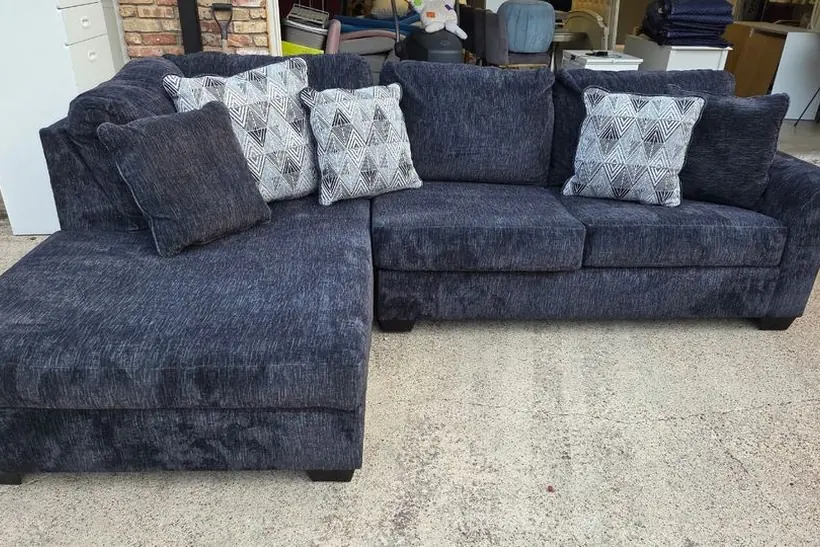
In Little Elm, the outdoor gear near Lake Lewisville takes a beating from sun and moisture, and the patio furniture usually goes out with it. We can take the weathered lakeside patio sectional from a Little Elm backyard in the same trip as the coolers and chairs.
If the trip gear is in the attic, our guide to what is usually up there in an attic cleanout covers the access side of the job, and if it is in the backyard shed, our guide to a shed cleanout does the same.
How the pickup runs
Send us a photo of the shelf, the closet or the corner of the garage, and tell us where it is in the house. A crew looks at what you have and gives you a firm number before anything is loaded. The quote is the bill, and disposal is included. We are affordable and priced fair, based on how much there is to take.
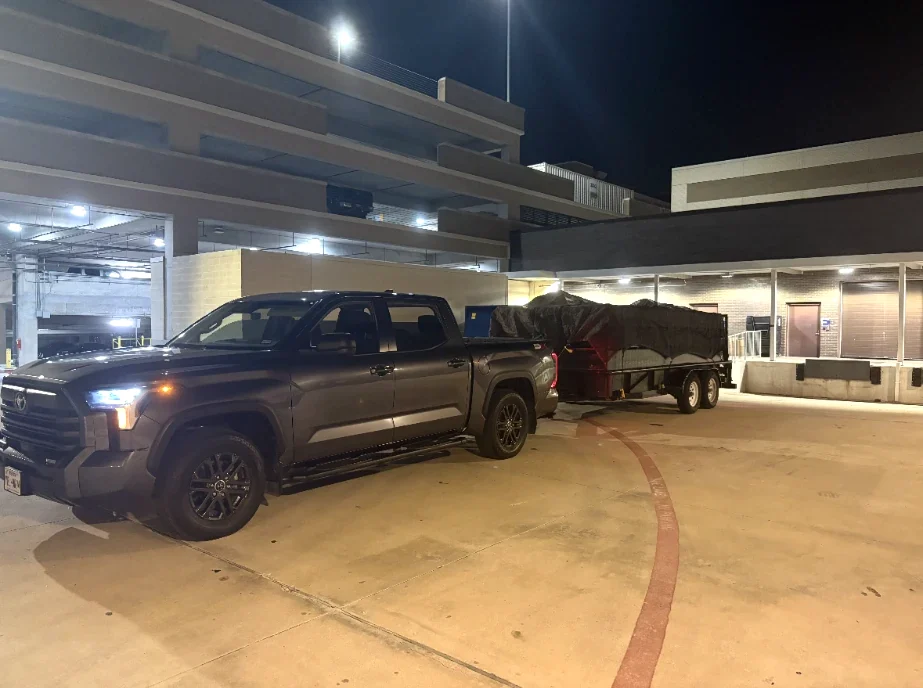
Our own crew does the carrying, not gig labor hired off an app that morning. They pull the gear down from the shelves, carry it out and sweep the spot it came from. If the trip pile is one corner of a bigger job, our garage cleanout service and our garage cleanout checklist cover the rest. Call before noon and same afternoon is typical across the northern suburbs. When you are ready, tell us what you have.
Frequently asked questions
Will you take a propane camping cylinder?
No. Propane cylinders, camp fuel, lighter fluid and kerosene go to your city's household chemical collection program. Set them aside and we take everything else.
Do I need to clean a moldy tent or cooler first?
No. We take mildewed tents, sleeping bags and coolers as they are. Tell us when you book if a cooler still has something inside.
Will you take old luggage?
Yes. Suitcases, duffels and garment bags, including broken ones. Check the pockets before pickup day for anything you want to keep.
Can my old camping gear be donated?
Clean gear in good shape can go to local donation partners when it qualifies. Torn, cracked or mildewed pieces go to responsible disposal.
Will you pick up just a few items?
Yes. A cooler, a tent and a couple of chairs is a pickup on its own, and it often leaves with whatever else is on the same shelf.
Pull the fuel and batteries, check the suitcase pockets, and the trip pile is usually out of the garage in one short visit.