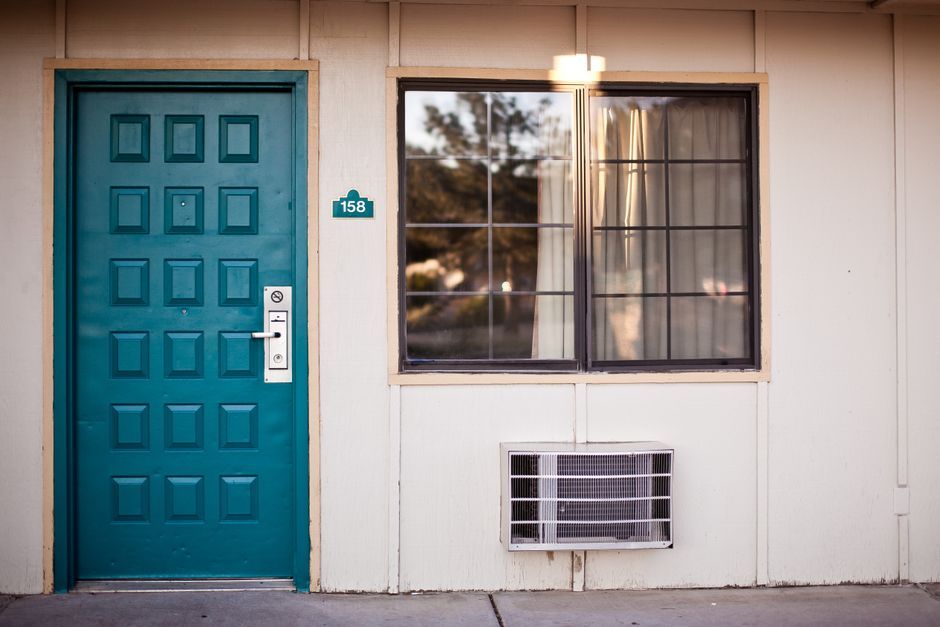
Yes, we haul old window AC units, portable air conditioners, box fans, tower fans, pedestal fans, dehumidifiers, air purifiers and space heaters, working or not. You point at what goes, our crew carries it out of the garage, closet or spare room, and units that hold refrigerant go to certified recyclers who recover it before the metal is reclaimed.
Every North Texas house runs the same cycle. In May the fans come down from the closet shelf and the window unit goes back in the bedroom that never cooled right. In late October the heaters come out and the summer gear goes to the garage. A few years of that and the garage holds two generations of both, plus the portable AC bought during a bad August and the dehumidifier that stopped draining.
What we take from the seasonal swap pile
Anything that moved air or heated a room, and the stands and boxes that came with it. The things we carry out most often are:
- Cooling units: window air conditioners, portable air conditioners with their exhaust hoses, and evaporative coolers
- Fans: box fans, tower fans, pedestal fans, floor fans and the window fans that came with the house
- Moisture and air: dehumidifiers, humidifiers and air purifiers
- Heaters: electric space heaters, oil-filled radiator heaters and the electric fireplace inserts some people used as one
- The rest of the pile: window unit brackets, accordion side panels, empty boxes and the plastic shelving it all sat on
If the swap pile is one corner of a full garage, our garage cleanout checklist covers the rest of the space. If a big appliance is going too, our guide to old refrigerator and freezer removal explains how the larger units come out.
Why window units and dehumidifiers are handled differently
A window air conditioner, a portable AC and most dehumidifiers have a sealed refrigerant system inside, the same as a refrigerator. That changes where they can go. The EPA's page on safe disposal requirements for refrigeration appliances lists window unit air conditioners among the appliances with special disposal rules, and says the final person in the disposal chain, such as a scrap metal recycler or landfill owner, is responsible for making sure the refrigerant is recovered.
That is why a window unit left at the curb can sit there. Many city bulk programs set refrigerant appliances aside or skip them entirely, which our post on bulky trash the city skipped walks through. We load the units with the refrigerant system intact, keep them upright, and take them to recyclers set up to recover it. You do not need to drain anything or cut a line before the crew arrives, and you should not try.
Fuel heaters and propane stay behind. An electric space heater is fine to haul. A kerosene heater with fuel in it, a propane patio heater with the cylinder still on, or a can of heater fuel on the shelf is household hazardous waste, and it does not ride in our trailer. Plano's household chemical collection program is one example of where fuel and cylinders go, and most DFW cities run a similar program for their residents. Empty the heater, pull the cylinder, and we will take the metal frame. Cordless fans and some air purifiers also carry rechargeable packs, and the EPA's page on used lithium-ion batteries says they should not go in household garbage or recycling bins. Tell the crew which items have one.
Getting a window unit out of the window
Most of the window units we haul are already sitting on the garage floor. Some are still in the window, in a back bedroom or a garage that was never on the central system. If the unit is still installed, tell us when you send the photo. The crew lifts it straight in from the room side once the side panels are unscrewed and the window sash is raised, and it is carried out level so the oil in the compressor stays where it belongs.
If the unit is coming out because the window is being replaced, our post on old windows and doors after a replacement covers hauling the frames and glass in the same visit. If you are buying a new one, ENERGY STAR's guide to room air conditioners explains what to look for, including U-shaped and saddle-style window units that let you open and close the window with the unit in place.
Where these jobs come from
In Wylie, the swap pile often lives in an older house near the original core, where a garage or a back room was never fully on the central system and a window unit did the work for years. When that unit finally quits, it is usually one of several things waiting, and we can haul the old window unit and the dead garage freezer out of a Wylie house in one trip. Wylie sits beside Lake Lavon at the eastern edge of where we go, and our page on clearing a whole Wylie garage or house covers the bigger version of the job.
In Prosper, the calls skew newer. A portable AC bought for a home office or a bonus room in Windsong Ranch or Star Trail gets replaced once the house settles in, and the dehumidifier from the first humid summer goes with it. We can take the swapped-out portable AC and dehumidifier away from a Prosper new build along with anything else the move left behind.
In McKinney, the historic houses near the square still have window units in rooms the original ductwork never reached, often behind narrow doorways and alley-only access. The crew checks the route before lifting anything, and we can carry an old window unit out of a house near the McKinney square through whichever path gets it to the trailer cleanly.
Where it all goes
Units with refrigerant go to certified recyclers. Fans, heaters and air purifiers are electrical appliances, and the metal and wiring are pulled for recycling rather than sent to the landfill. The Texas Commission on Environmental Quality's electronics recycling page encourages Texans to repair, donate or recycle used electronics, and our page on appliance and electronics disposal in North Texas explains how we handle that part of a load.
Working units in good shape can go to local donation partners when they qualify. Habitat for Humanity's ReStore donation page lists the appliances and household goods ReStores accept, though each store sets its own rules. Our page on where junk goes after pickup covers how the rest of the load gets sorted.
How the pickup runs
Send us a photo of the units, the fans and the heaters, and tell us if anything is still in a window. A crew looks at what you have and gives you a firm number before anything is loaded. The quote is the bill, and disposal is included. We are affordable and priced fair, based on how much there is to take.
Our own crew does the carrying, not gig labor hired off an app that morning. They pull the units out of the window or off the shelf, carry everything out, take the brackets and side panels with them and sweep the spot before they go. If the swap pile is part of a bigger appliance job, our page on appliance removal covers the larger units. Call before noon and same afternoon is typical across the northern suburbs. When you are ready, tell us what you have.
Frequently asked questions
Do you take window AC units that still work?
Yes. Working units can go to local donation partners when they qualify. Units that do not qualify go to certified recyclers who recover the refrigerant.
Do I need to drain or prepare a window unit before you come?
No. Leave the refrigerant system alone. Unplug it, and if it is still in a window, tell us so the crew can take it out from the room side.
Will you take a kerosene or propane heater?
We take the empty metal heater. Fuel and propane cylinders are household hazardous waste and go to your city's household chemical collection program instead.
Do you take dehumidifiers and portable air conditioners?
Yes. Both usually hold refrigerant, so they are handled the same way as a window unit and go to certified recyclers.
Can you take a few fans and heaters along with other junk?
Yes. The seasonal swap pile is usually one part of a garage or closet clear-out, and it all goes in the same visit.
Pull the fuel and the batteries you can reach, point at the rest, and the swap pile is usually gone in one visit.